Day night sensors switch lights on at dusk and off at dawn, so nobody has to touch a switch. Each sensor uses an LDR (light-dependent resistor) to read the daylight level. As a result, your lights run only in the dark, and you save electricity.
1 LEAP Technologies supplies three LDR-based models rated at 7 A, 10 A and 20 A. All three runs on 220-240V AC and have weather-resistant bodies for outdoor mounting. Therefore, you can match a sensor to a single lamp, a shop sign or a long line of street lights.
Browse Our Day Night Sensors
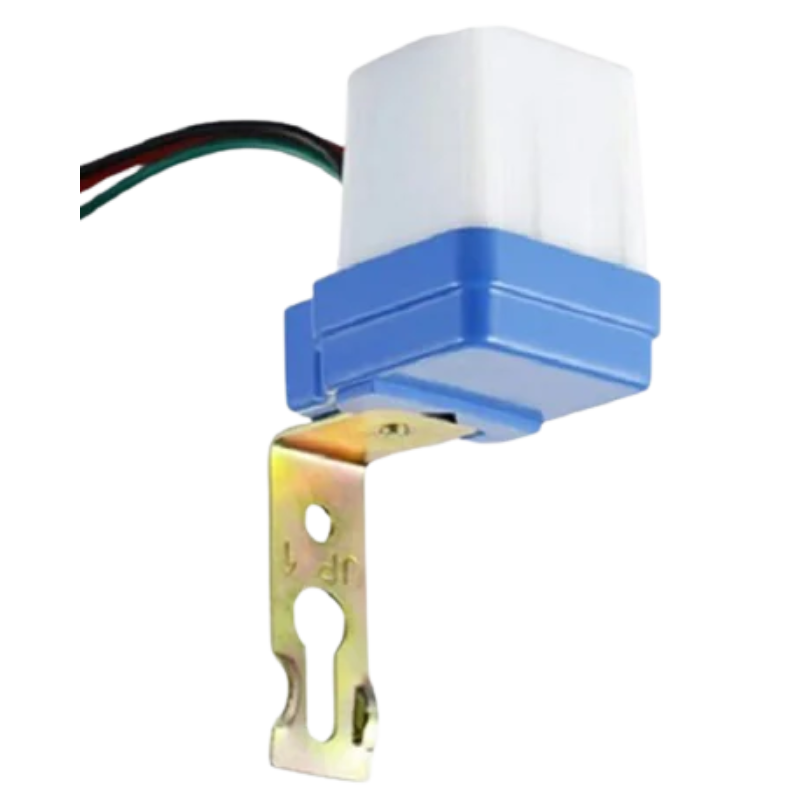
1 LEAP LDR Sensor Day Night 7A 1LPC-02
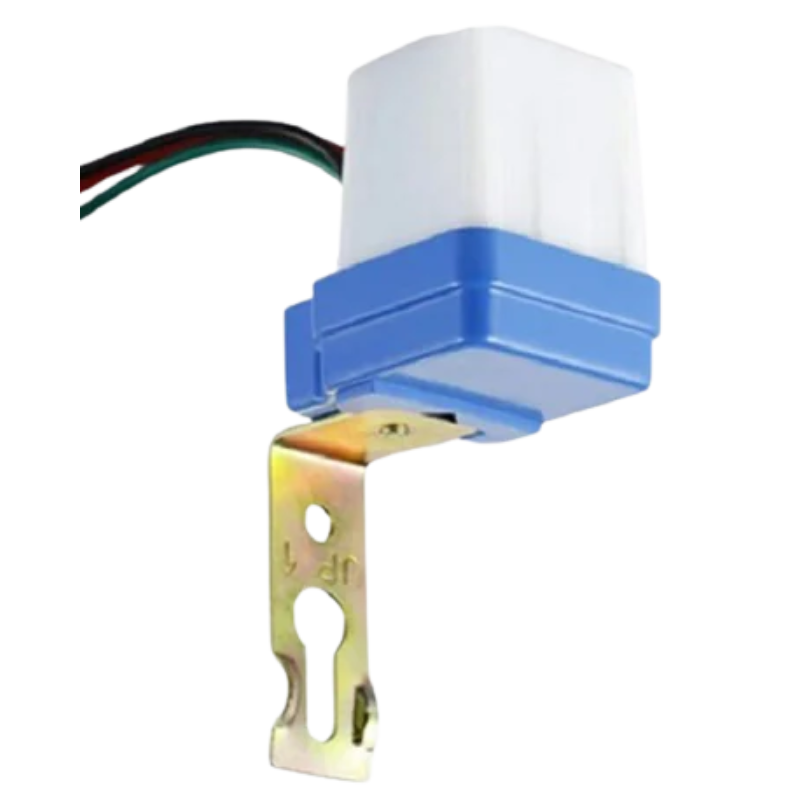
1 LEAP Photocell Day Night Sensor 10 Amp 1LPC-01
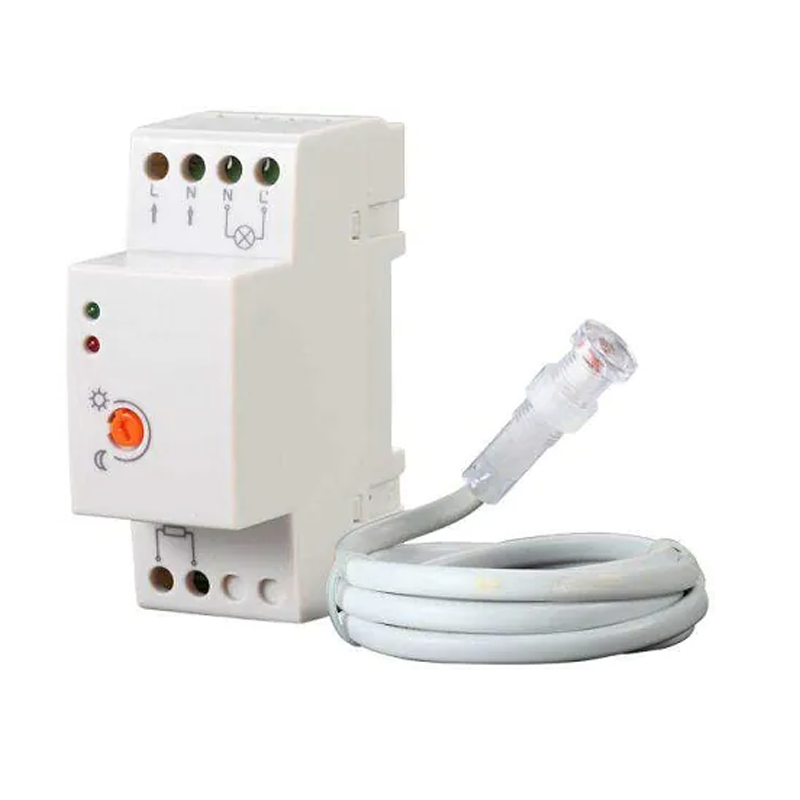
Day Night Light Sensor 20 Amp 1LPC-03
Start here to compare our day night sensors, then open a product page for full details. First, pick the load rating you need. Next, check the applications below to confirm the right product for your application.
- 1LPC-02 7 Amp model: a compact, economical choice for single fixtures and light-duty loads.
- 1LPC-01 10 Amp photocell: suits homes, shops and small commercial outdoor lighting.
- 1LPC-03 20 Amp heavy-duty model: handles street, industrial and commercial lighting.
What Is a Day Night Sensor?
A day night sensor is an automatic light switch that responds to daylight. It senses how much bright the sky is, then switches a connected light on at dusk and off at dawn. Many buyers also call it a photocell sensor, an LDR sensor or a dusk light sensor.
The sensor connects to the lighting circuit and controls the lamp for you. In daylight, it keeps the lamp off. After dark, it switches the lamp on automatically. As a result, you get dependable outdoor lighting without having a timer or a manual switching.
Compare the Models
All day night sensors switch in this range on automatically at dusk and off at dawn. However, they are unique in their load rating and application usage. Use the table below for a quick comparison.
Model | Load rating | Best for | Key note |
|---|---|---|---|
1LPC-02 | 7 A | Single fixtures, verandas, garden lamps, decorative lighting | Compact and economical; keep the load within 7 A |
1LPC-01 | 10 A | Homes, shops, gates, boundary walls, small commercial outdoor lighting | Mount away from the lamp it controls |
1LPC-03 | 20 A | Street lights, factories, warehouses, society common areas, parking lots, flood lights | Handles multiple-fixture circuits; use a contactor for discharge lamps or panel loads |
How to Choose the Right Model
Three questions which makes your choice for day night sensors quickly. How much current does your circuit draw? Where will you mount the sensor? Which lamp type do you use? The sections below answer each one in turn.
Start with the Load Rating
First, add up the current of all lights on one circuit. Then pick a sensor whose rating covers that total. For instance, one garden lamp suits the 7 A model, while a row of flood lights needs the 20 A model.
Inductive and high-wattage loads need extra care. With the 7 A model, add a contactor or choose a higher-rated sensor. Likewise, use a contactor with discharge lamps such as metal halide and HPSV. The same advice applies when your load nears 20 A.
A contactor is an electrical switch made for large loads. The sensor operates the contactor, and contactor switches the lamps.
Think About Where You Mount It
Every model must face an open sky. However, it must not see light from the lamp it controls, from street lamps or from headlights. Otherwise, stray light can cause in false switching.
For example, a sensor placed right beside its own lamp may catch the lamp’s glow. Therefore, keep a clear gap between the sensor and the fixture. Also, never mount it direct under a street light, as it will not work properly.
Match the Sensor to Your Lamp Type
The 1LPC-01 and 1LPC-02 work with bulbs, LED lights and CFL. The 1LPC-03 works with bulbs, LED lights, flood lights and multiple-fixture circuits. In addition, the 1LPC-03 can handle discharge lamps when you add a contactor.
Plan for Future Loads
If you expect to add more lights later, consider a higher rating now. Moreover, a higher rating gives your day night sensors room to grow. However, do not choose a larger model without need, because the 7 A model already suits light-duty jobs.
Day Night Sensors for Homes and Shops
The 1LPC-01 and 1LPC-02 suit everyday lighting. Both day night sensors work with bulbs, LED lights and CFL. In addition, both provides simple installation and do not any timer.
1LPC-01 10 Amp Photocell for Homes, Shops and Offices
Use the 10 A model wherever outdoor lights follow the daylight. It controls lights at gates and boundary walls, so they switch on every evening and off every morning. It also lights porches, balconies and staircases without having any manual operation.
Shops benefit as well. Signage and display boards glow after sunset and go off in daylight. Meanwhile, gardens and pathways lights stay on when it is dark, and godowns and small offices keep their security lights on during the night.
The key benefits are clear. You get fully automatic switching, lower electricity use, low maintenance and simple series wiring.
1LPC-02 7 Amp LDR Sensor for Single Fixtures
Choose the 7 A model for lighter jobs. At home, it switches LED bulbs, tube lights and CFL fixtures automatically at night. It also suits verandas, sit-outs and balconies, where lights on at dusk and off at dawn.
Outdoor decor works well too. Garden lamps and bollard lights run on their own, and festive lighting needs no daily switching. Likewise, small signage and name boards stay on only when it is needed. Because it is compact and economical, this model goes perfectly for small spaces and small budgets. However, keep the load within 7 A.
Street, Factory and Campus Lighting
The 1LPC-03 works as a street light sensor. It lets whole lines of lights switch together at dusk and dawn. Moreover, its 20 A rating and rugged weather-resistant body suits heavy-duty outdoor use.
Beyond roads, it serves many large sites:
- Factories, industrial yards and warehouses: perimeter and yard lights run only at night.
- Societies, campuses and apartment complexes: common-area lighting becomes fully automatic.
- Parking lots, stadiums and playgrounds: flood lights switch on without manual control.
- Hoardings, billboards and showroom facades: large signage is lit only after dark.
- Panel-based lighting: the sensor can drive a contactor for very large loads.
As a result, one sensor can manage many fixtures. Automatic switching also cuts labor and maintenance, and it saves energy at scale.
How Day Night Sensors Work
As a result, one sensor can manage many fixtures. Automatic switching also cuts labor and maintenance, and it saves energy at scale.
What the LDR Does
A photocell sensor uses an LDR as its sensing part. An LDR changes its resistance as the light on it changes. In bright daylight, the sensor keeps the lamp off. When darkness falls, it switches the lamp on, and at dawn it switches the lamp off again.
People also call this device a dusk light sensor or a day night light sensor. Because it reads daylight instead of the clock, it needs no timer. Therefore, you never have to reset it for changing day lengths.
Why Automatic Switching Helps
Manual switching wastes electricity when people forget to turn lights off. In contrast, a sensor switches lights off every morning. It also switches them on every evening, so entrances stay on after dark on daily basis.
How Day Night Sensors Work
What the LDR Does
A photocell sensor uses an LDR as its sensing part. An LDR changes its resistance as the light on it changes. In bright daylight, the sensor keeps the lamp off. When darkness falls, it switches the lamp on, and at dawn it switches the lamp off again.
People also call this device a dusk light sensor or a day night light sensor. Because it reads daylight instead of the clock, it needs no timer. Therefore, you never have to reset it for changing day lengths.
Why Automatic Switching Helps
Manual switching wastes electricity when people forget to turn lights off. In contrast, a sensor switches lights off every morning. It also switches them on every evening, so entrances stay on after dark on daily basis.
Common Mistakes to Avoid
Most problems with day night sensors come from a few simple errors. Avoid these, and your lighting will run smoothly:
- Mounting the sensor beside the lamp it controls.
- Placing it under a street light or in the path of headlights.
- Choosing a rating below the total load on the circuit.
- Skipping the contactor for discharge lamps or loads near 20 A.
- Leaving out the fuse or MCB.
- Letting dust, paint or shadows cover the sensor window.
Each mistake has an easy fix. Therefore, review this list before you install.
Installation and Safety Tips
Choose the Right Spot
Fit each sensor on an outer wall, a pole or the top of a panel box. It should see an open sky but receive no light from street lamps, headlights or the fixture itself. Also, keep the sensor window free of dust, paint and shadows.
Wire It Safely
Always hire a qualified electrician to wire your day night sensors. The 10 A model connects in series with the light circuit. Phase goes in, phase goes out to the load, and neutral stays common.
In addition, add a suitable fuse or MCB to every circuit. For 20 A loads, use heavy-gauge wire and tighten the terminals firmly, because loose terminals can heat up. Finally, use a contactor for panel-based or multi-lamp circuits.
Test Before You Finish
Test in daylight by covering the sensor with your hand. The light should turn on. With the 7 A model, it should turn on within a few seconds. Then uncover the sensor and watch the light respond to daylight.
Keeping Your Sensor Working Well
Maintenance stays low, because these day night sensors need no timer settings. Still, check a few things from time to time:
- Wipe dust from the sensor window.
- Make sure no new light, paint or shadow affects the sensor.
- Check that the terminals are tight.
- Confirm that the load stays within the model’s rating.
LDR Sensor Price and Ordering
LDR sensor price depends on the model and its load rating. Each product page lists the price, and 18% GST applies on top. In addition, our team can quote for bulk orders and OEM requirements.
To get an accurate quote, send us these details:
- The model you need, or your load rating.
- The quantity you plan to order.
- Your lamp type and number of fixtures.
- Your mounting location and delivery city.
Then we will suggest suitable day night sensors and share a quotation.
Why Buy from 1 LEAP Technologies
1 LEAP Technologies is an ISO 9001:2015 certified company. You can read about the ISO 9001 quality management standard on the official ISO site. We manufacture and deal in electronic components, including our Full range of magnetic reed switches, air curtain sensors range, occupancy sensors range, range of motion sensors and range of sirens.
As a result, buyers who need day night sensors and other components can speak to our team. Moreover, we support installers, OEMs and distributors as well as end users.
Frequently Asked Questions
What does a day night sensor do?
A day night sensor switches a light on at dusk and off at dawn. It reads the daylight level with an LDR, so you need no timer or manual switch.
What is the difference between the 7 A, 10 A and 20 A models?
The number is the load rating. The 1LPC-02 (7 A) suits single fixtures and light-duty loads. The 1LPC-01 (10 A) suits homes, shops and small commercial outdoor lighting. The 1LPC-03 (20 A) suits street, industrial and commercial lighting.
Which model works as a street light sensor?
The 1LPC-03 suits street and highway lighting. For discharge lamps such as metal halide or HPSV, or for loads near 20 A, use a contactor.
Can I use these sensors with LED lights?
Yes. The 1LPC-01 and 1LPC-02 work with bulbs, LED lights and CFL. The 1LPC-03 works with bulbs, LED lights, flood lights and multiple-fixture circuits.
Where should I mount the sensor?
Mount it facing open sky, away from the lamp it controls, street lamps and headlights. Keep the sensor window clean.
Why does my light switch falsely?
The lamp’s own glow, or other nearby light, can cause false switching. Move the sensor away from the controlled lamp and other light sources.
Can I install the sensor myself?
No. A qualified electrician must wire it, and every circuit needs a suitable fuse or MCB.
Do you accept bulk or OEM orders?
Yes, you can contact our team for bulk orders and OEM enquiries. Share your quantity and requirements, and we will respond with the next steps.
Get Help Choosing a Day Night Light Sensor
Not sure which model fits your lighting? Contact our team for technical assistance, bulk orders or OEM enquiries. First, share your load rating, lamp type and mounting location. Then we will point you to the right product page for your day night sensors.