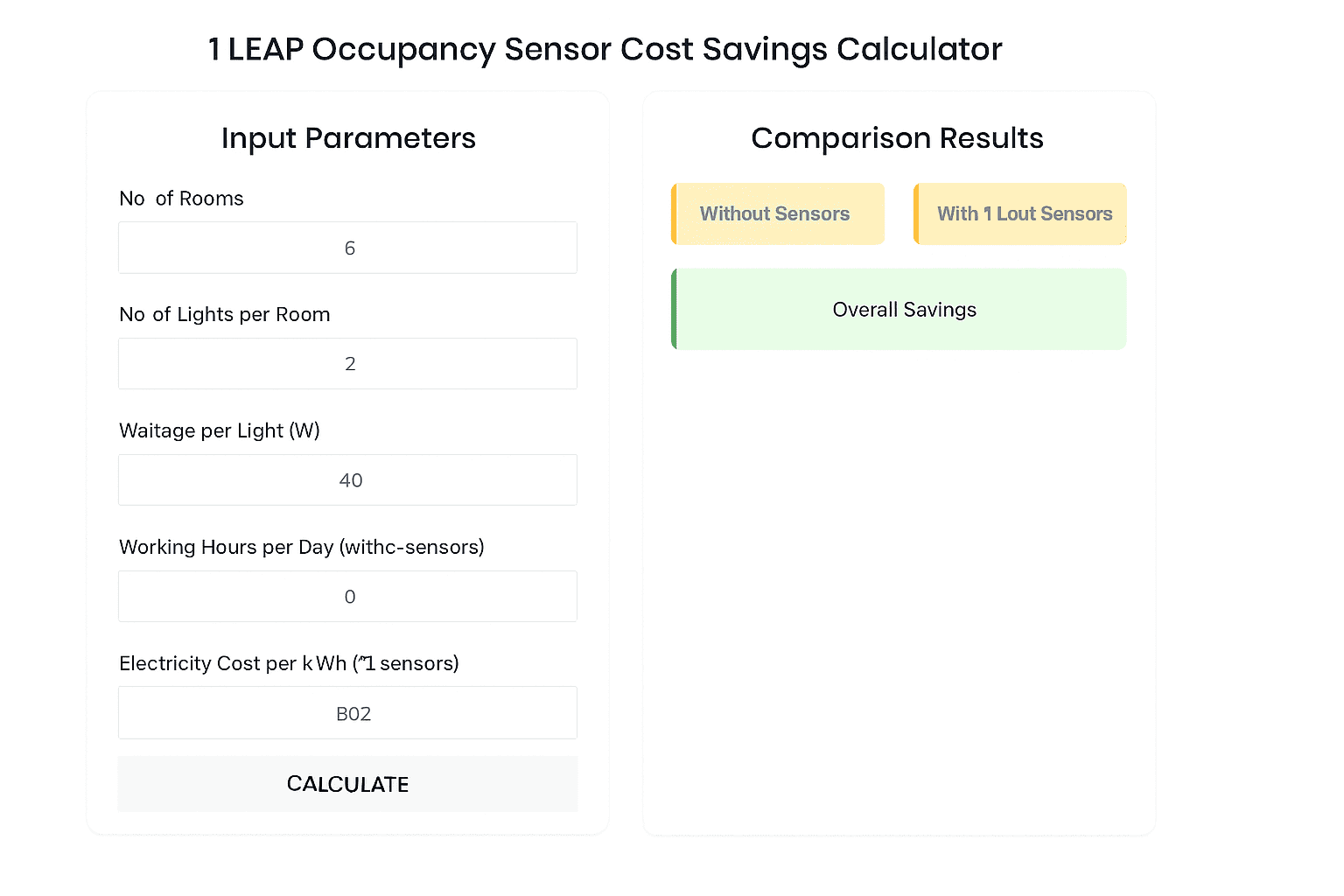
Microwave sensors switch lights on when someone enters in a space and switch them off when the space is empty. 1 LEAP Technologies provides three 360° ceiling models that use 5.8GHz radar to detect movement. Each model lets you adjust the LUX level, sensitivity and time delay on the unit. As a result, you get hands-free lighting that saves your electricity bill.
This page helps you in compare our microwave sensors and choose the right one for you. First, browse the three models below. Then read the guide to match a sensor to your ceiling, load and finish. Finally, contact our team if you need any advice.
Browse Our Microwave Sensors
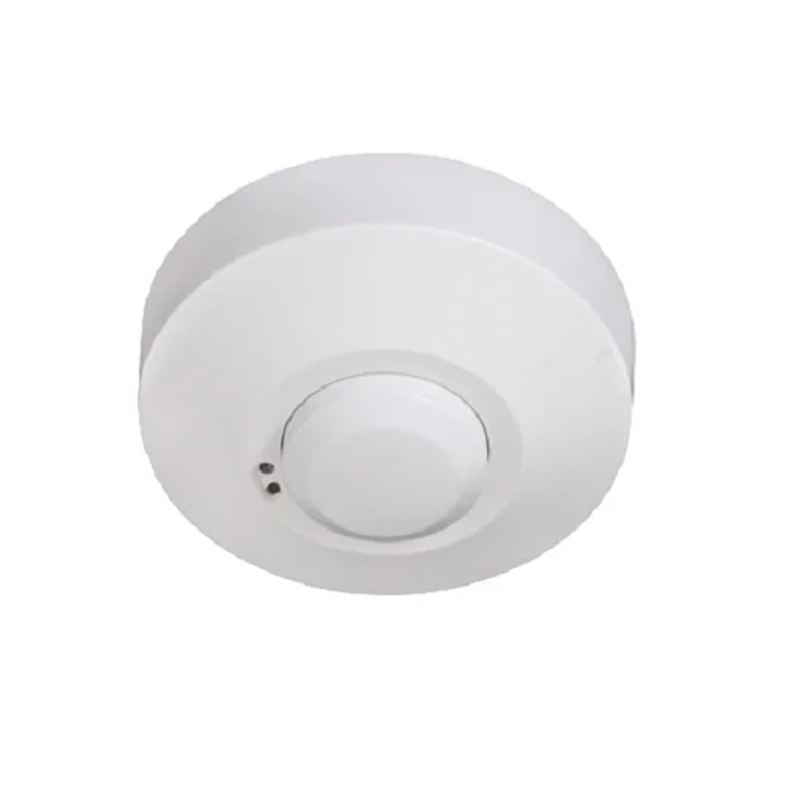
1 LEAP Ceiling Mount Microwave Sensor 360° Round 1L-PS03
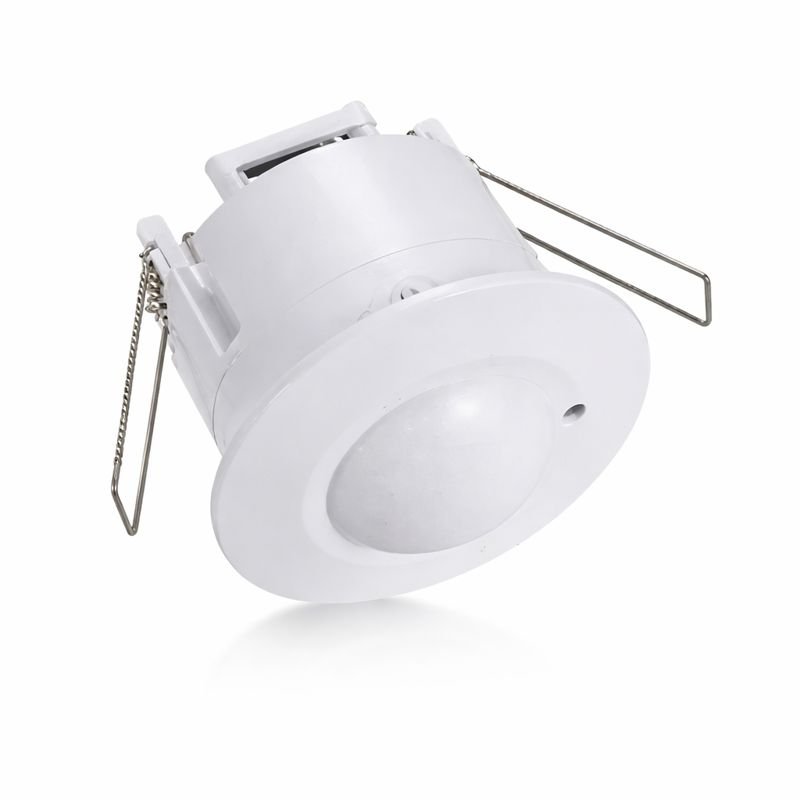
1 LEAP False Ceiling Mount Microwave Radar Sensor 360° 1L-PS23
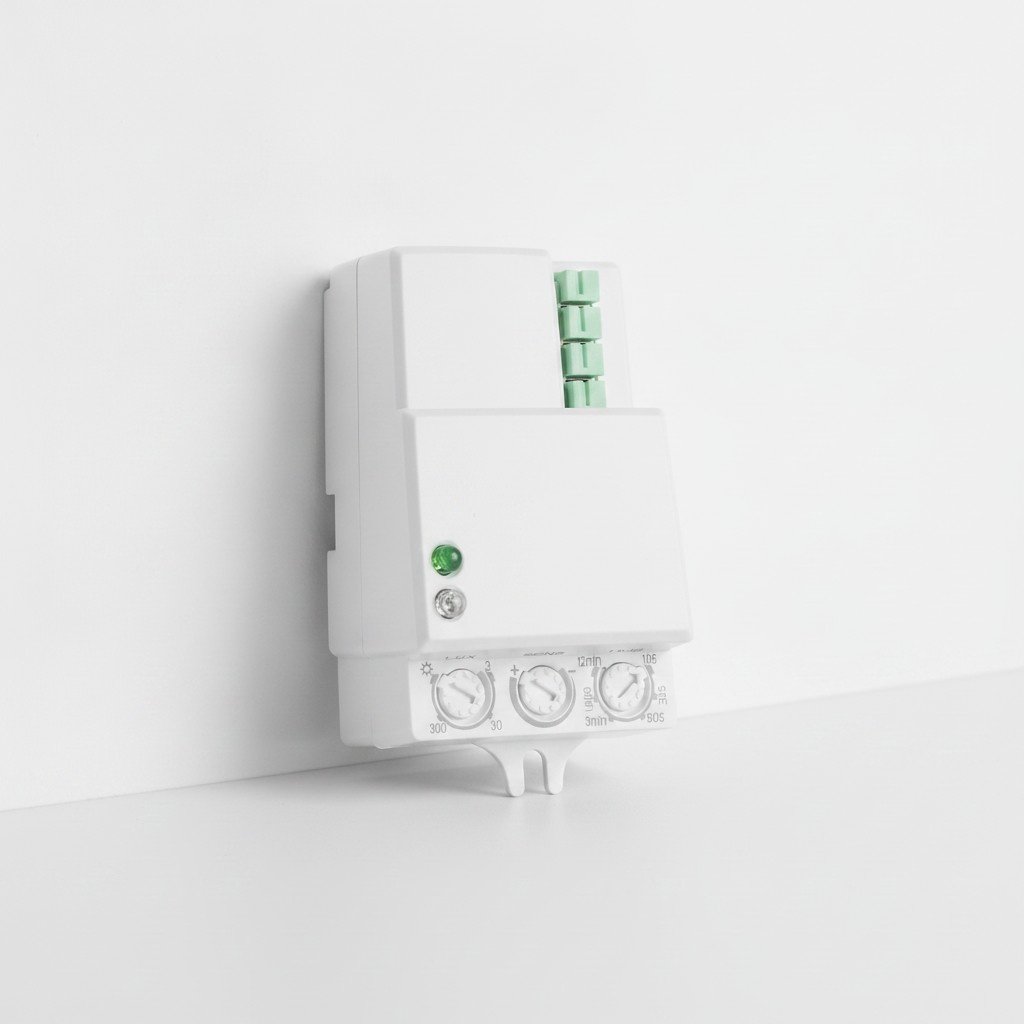
1 LEAP Microwave Motion Sensor 360° 1L-PS13
Our range has three models, so you can match the sensor to your ceiling type and height. Select a model to open its product page.
- 1L-PS03 round ceiling model: for tall ceilings and large spaces
- 1L-PS13 ceiling model: for normal-height rooms, passages and service areas
- 1L-PS23 false ceiling model: for finished interiors with a flush fit
All three models work as a microwave motion sensor for lights. Therefore, they suit offices, corridors, parking areas, warehouses and homes. However, each model fits for a different ceiling and load, so the comparison below helps you in decide which sensor goes perfect on your application.
Compare the Three Models
The table shows how the microwave sensors are different from each other. Use it to decide microwave sensors before you open each product page. Meanwhile, the shared features above stay the same for all three models.
Model | Best for | Mount | Mounting height | Load | Price |
|---|---|---|---|---|---|
1L-PS03 | High ceilings, large halls, lobbies, warehouses | Surface | 2–6 m | Up to 2000W | ₹550 + 18% GST |
1L-PS13 | Corridors, staircases, basements, rooms with lights and fans | Surface | 1.5–3.5 m | Max 1200W | ₹550 + 18% GST |
1L-PS23 | Offices, cabins, meeting rooms, false ceilings | Flush | 1.5–3.5 m | Max 1200W (incandescent), 300W (energy-saving lamps) | ₹570 + 18% GST |
The 1L-PS13 uses 0.1W when idle and 0.9W when working. It also works with bulbs, LED lights, CFL and fans. The 1L-PS03 and the 1L-PS23 each use about 0.9W. The 1L-PS23 measures ø76 × 76 mm and fits with spring clips.
How a Microwave Radar Sensor Works
A microwave radar sensor sends out a 5.8GHz signal and reads the signal that returns. When a person moves, the returning signal changes. As a result, the sensor switches the light on.
This type of sensor also detects motion through glass and thin walls. For example, a toilet or pantry light can switch on when someone walks in behind a thin partition. After the person leaves, the light stays on for the delay time you set. The delay restarts while people keep moving, so the light does not switch off on someone who is still in the room.
The LUX knob adds daylight control. LUX measures how bright a space is. Because the setting runs from 3 to 2000, lights in covered parking areas can stay off in the daytime and come on at night.
If you want background reading, see this general overview of motion detection.
Benefits of Automatic Lighting Control
Manual switches depends on people, and microwave sensors remove that dependency. Staff forget to switch lights off, and visitors rarely know where the switch sits. Automatic control solves the problem. Therefore, lights run only while someone is present there.
First, you save the electricity, because the sensor switches the light off when the area is empty. Second, you get hands-free lighting. This helps in busy walkways, lifts and rooms where people carry goods. Third, you can tune the sensor to each space, since every model has adjustable LUX, sensitivity and time delay.
In addition, the sensors detect motion through glass and thin walls. This helps in toilets, pantries and rooms with partitions. Meanwhile, the 360° coverage means the sensor reacts to movement from any direction.
What Each Setting Does
Knobs on the unit control every setting, so you adjust the sensor right where you fit it. Here is what each one does:
- Detection range: sets how far from the sensor it reacts to movement. The radius runs from 1 to 8 m.
- Sensitivity: tunes the sensor for small or big rooms. A small store room needs less reach than a large hall.
- LUX: sets the light level at which the sensor starts to work. The setting runs from 3 to 2000.
- Time delay: sets how long the light stays on after the last movement. The delay runs from 10 seconds to 12 minutes.
For instance, a busy lobby may need a longer delay so the light does not flick off between visitors. A rarely used store room can use a short delay to save more power. In both cases, you can change the setting later if the room use changes.
Who Buys These Sensors
Industrial buyers, OEMs, automation professionals, installers and distributors all use our sensors. Facility teams in offices, schools, hospitals and warehouses also fit them. Each group wants the same result: lights that switch on when needed and switch off when not. Because the three models cover different ceilings and loads, one supplier can serve many project types, from small homes to large warehouses.
Features Shared by All Microwave Sensors in This Range
Every one of these microwave sensors provides the same core features:
- 360° detection with an adjustable range of 1 to 8 m (radius)
- 8GHz microwave radar motion sensing
- LUX setting from 3 to 2000
- Time delay from 10 seconds to 12 minutes
- Adjustable sensitivity for small or large rooms
- Knob adjustment on the unit
- 220–240V AC supply
- Automatic switch-off to save electricity
How to Choose Microwave Sensors for Your Space
Three questions helps you to make a choice quickly. First, how high is your ceiling? Second, how much load do you need to switch? Finally, do you want a surface or a flush finish?
Start with ceiling height
Mounting height is the first filter. The 1L-PS03 suits ceilings between 2 and 6 m, so it works in tall halls and lobbies. The 1L-PS13 and the 1L-PS23 suit heights of 1.5 to 3.5 m. Therefore, pick one of those two for normal rooms, corridors and cabins. If your ceiling lies between 2 and 3.5 m, either surface model fits the height, so check the load after this.
Check your load
Load is the total power of the lights or fans on one circuit. The 1L-PS03 handles up to 2000W, while the 1L-PS13 handles up to 1200W. The 1L-PS23 handles 1200W for incandescent lamps and 300W for energy-saving lamps. For example, a corridor with many fittings needs a total load check before you make a choice. Add up the wattage on each circuit first, and then compare it with the rating.
Fans matter too. The 1L-PS13 works with bulbs, LED lights, CFL and fans, so it suits rooms where the light and fan should both switch off when nobody is inside.
Choose surface or flush mount
The 1L-PS03 and the 1L-PS13 are surface-mount models. They sit on the face of the ceiling. The 1L-PS23 is a flush-mount model, so it sits inside a false ceiling and keeps the ceiling clean. It needs a cut-out of about 76 mm, and spring clips hold it in place.
Where Buyers Use These Sensors
1L-PS03: tall ceilings and large areas
Buyers use these microwave sensors in main entrances, lobbies, stairways and lifts. They also use it in toilets, pantries, covered parking areas and locker rooms. In offices, ATMs, malls and schools, it lights large floor areas, corridors and common halls only when people use them. In warehouses, lights follow staff movement, so empty aisles stay off.
1L-PS13: normal-height rooms and passages
Buyers choose this model of microwave sensor for corridors, staircases, parking areas and basements. It also goes perfect for warehouses and loading bays, where hands-free light helps while workers move goods. In offices and commercial buildings, it covers cabins, passages and common areas. At home, it works well in passages, store rooms, utility rooms and balconies.
1L-PS23: finished interiors
Buyers install this model in offices, cabins, conference halls and meeting rooms, so no light stays on in an empty room. It also goes for trial rooms, store rooms, corridors and basements. Its small body suits lifts and ATMs with tight ceiling spaces. Retail stores, schools, libraries, hospital corridors and homes use it for neat, hands-free lighting.
Explore Our Other Motion and Occupancy Sensors
Microwave radar is not the only way to automate lighting. 1 LEAP Technologies also supplies PIR and occupancy sensors, so you can match the technology according to your site applications. Browse the full PIR sensor range or the occupancy sensor range, or open a model below.
Occupancy sensors
PIR sensors
If you are not sure which technology fits perfectly to your application, send us your room type, ceiling height and load. Our team will suggest you a suitable sensor for your site.
Checklist Before You Order Microwave Sensors
A few facts make your enquiry faster and your choice more accurate. Gather these details before you contact us:
- The ceiling height of your application at the fitting point
- The total load of the lights or fans on the circuit
- The ceiling type, either open or false
- The room type and the area you want to cover
- The quantity you need, including any bulk or OEM requirement
With these details, our team can help you in choosing the right model for your application. In addition, you avoid ordering a sensor that does not fit your ceiling or load.
Installation Tips
Good placement helps every microwave radar sensor work as intended. Follow these points before you fit a unit:
- A qualified electrician must wire every unit.
- Keep the front of the sensor free of blocking objects.
- Do not fix the sensor on a shaky or uneven surface.
- Keep the 1L-PS03 and the 1L-PS23 away from metal and glass.
- Keep the 1L-PS13 away from AC vents and heaters, because temperature changes can affect it.
- Add a 6A fuse to the 1L-PS03 and the 1L-PS13.
Also match the cut-out to the sensor when you fit the 1L-PS23. A hole of about 76 mm lets the unit sit flush. In short, a clear front, a steady surface and correct wiring give the best results.
Why Buy from 1 LEAP Technologies
1 LEAP Technologies manufactures and deals in electronic components. Our products include magnetic reed switches, air curtain sensors, occupancy sensors, motion sensors and sirens.
We are an ISO 9001:2015 certified company (Certificate Number E20250728321). Therefore, you buy from a supplier with a documented quality system. We also help buyers choose the right model, so you can ask us about microwave sensors before you order.
Microwave Sensors FAQs
What is the difference between the three models?
The 1L-PS03 is a surface-mount model for 2–6 m ceilings and loads up to 2000W. The 1L-PS13 is a surface-mount model for 1.5–3.5 m ceilings and loads up to 1200W. The 1L-PS23 is a flush-mount model for false ceilings.
What detection range do these microwave sensors provide?
All three models give 360° detection. You can adjust the radius from 1 to 8 m.
Can a microwave motion sensor detect through walls or glass?
Yes, it detects through thin walls and glass.
Can I connect a fan?
Yes, with the 1L-PS13, which works with bulbs, LED lights, CFL and fans.
How do I set the delay and light level?
Use the knobs on the unit. LUX runs from 3 to 2000, and time delay runs from 10 seconds to 12 minutes.
Which model suits a warehouse?
The 1L-PS03 suits warehouses with tall ceilings. The 1L-PS13 also suits warehouses and loading bays with normal ceiling heights.
Which model suits a false ceiling?
The 1L-PS23 is the flush-mount model for false ceilings. It needs a cut-out of about 76 mm.
Do I need an electrician?
Yes. A qualified electrician must wire every unit. The 1L-PS03 and the 1L-PS13 also need a 6A fuse.
What do the models cost?
The 1L-PS03 and the 1L-PS13 cost ₹550 + 18% GST each. The 1L-PS23 costs ₹570 + 18% GST.
Can I order in bulk or ask about OEM supply?
Yes. Contact our team with your quantity and requirements.
Talk to Our Team
Not sure which model fits your space? Send us your ceiling height, load and room type, and we will suggest a suitable model. You can also contact with us for bulk orders and OEM enquiries. Our team can explain how these microwave sensors goes perfect for your lighting layout. Share your site details, and we will reply with a suggested model and its product page.