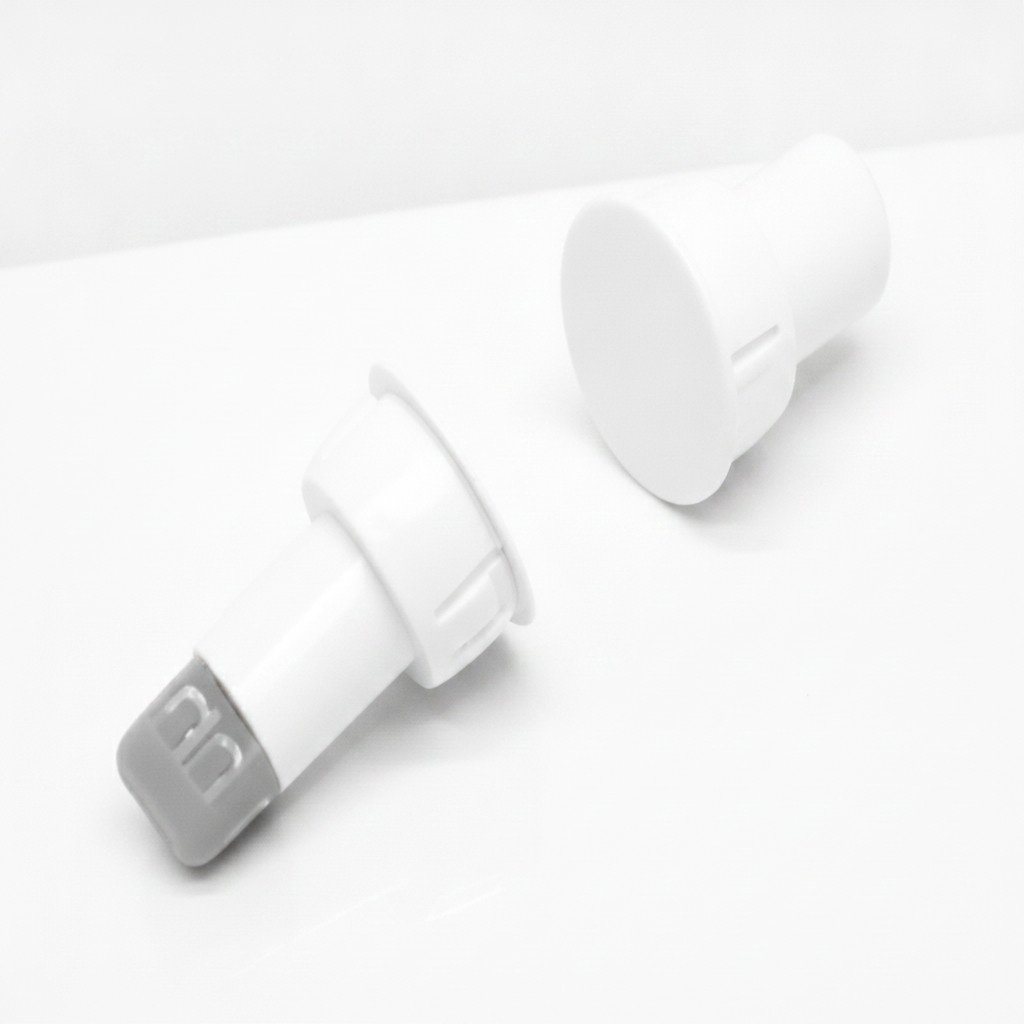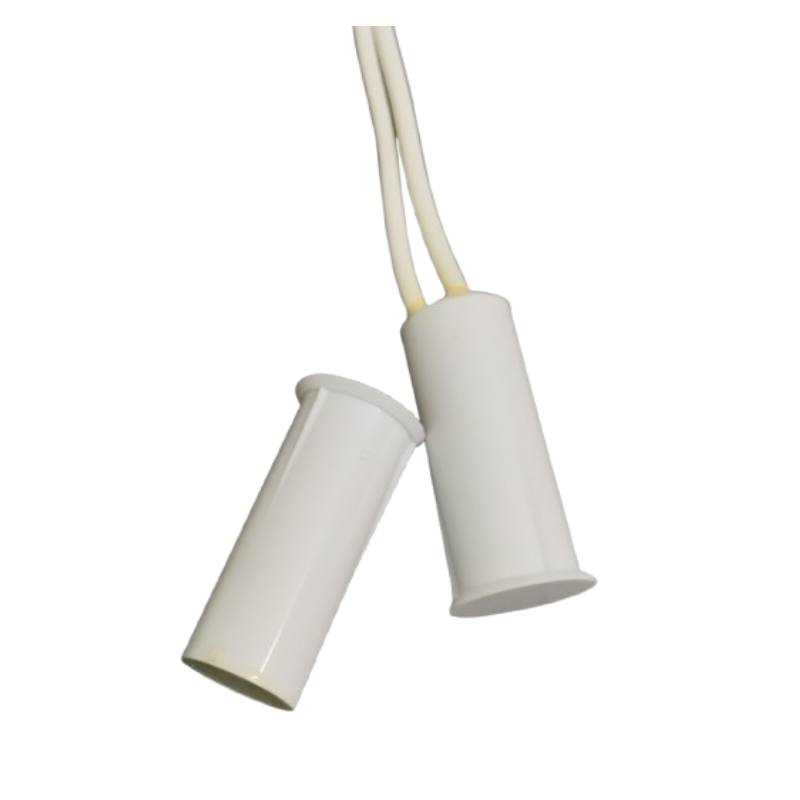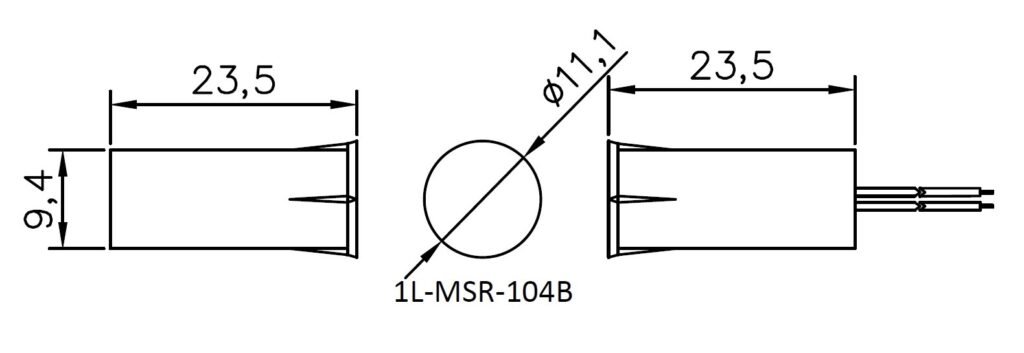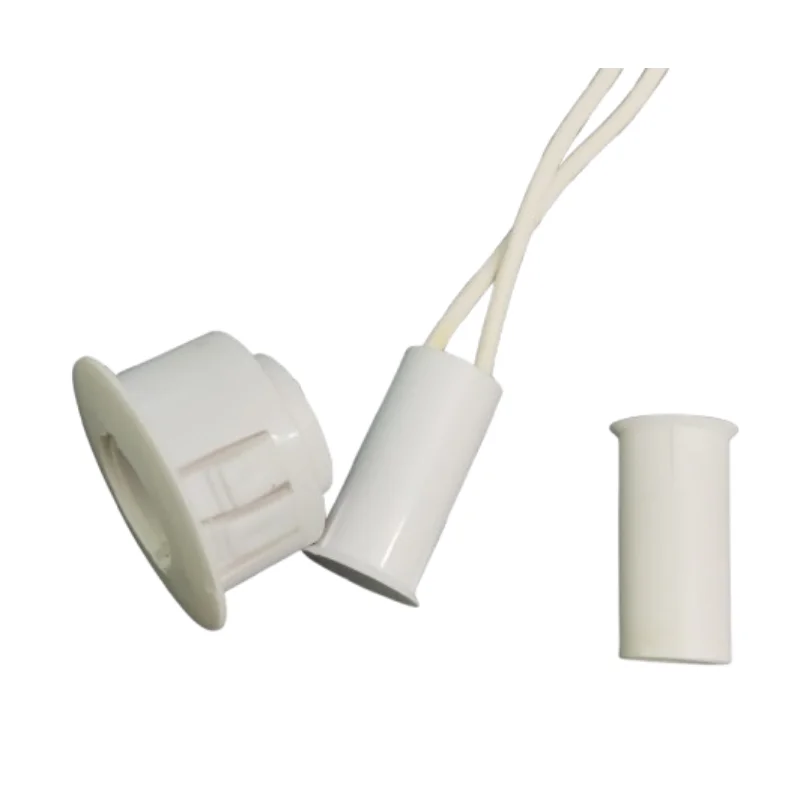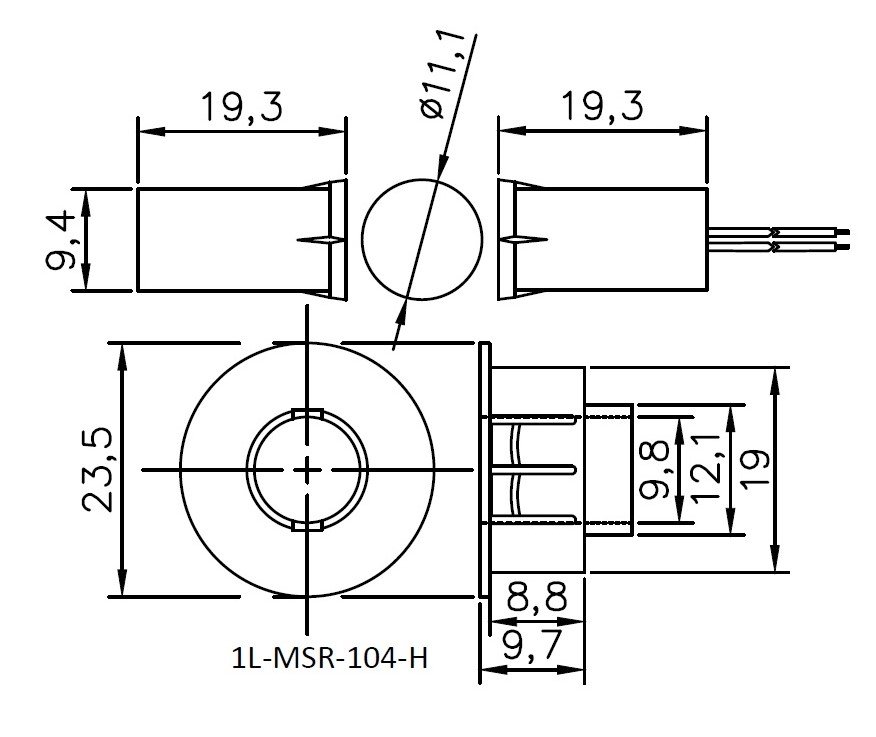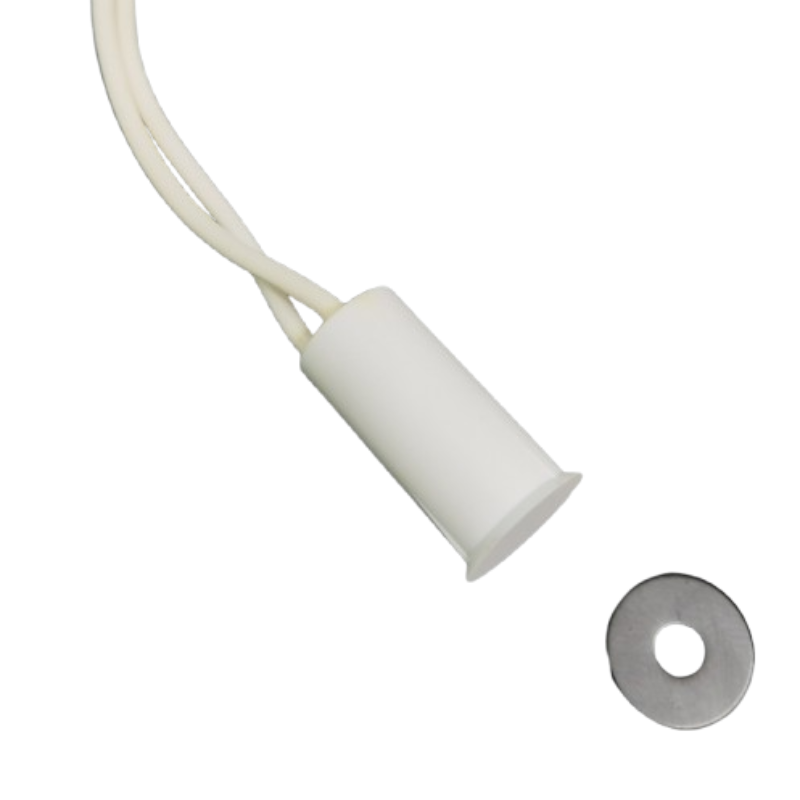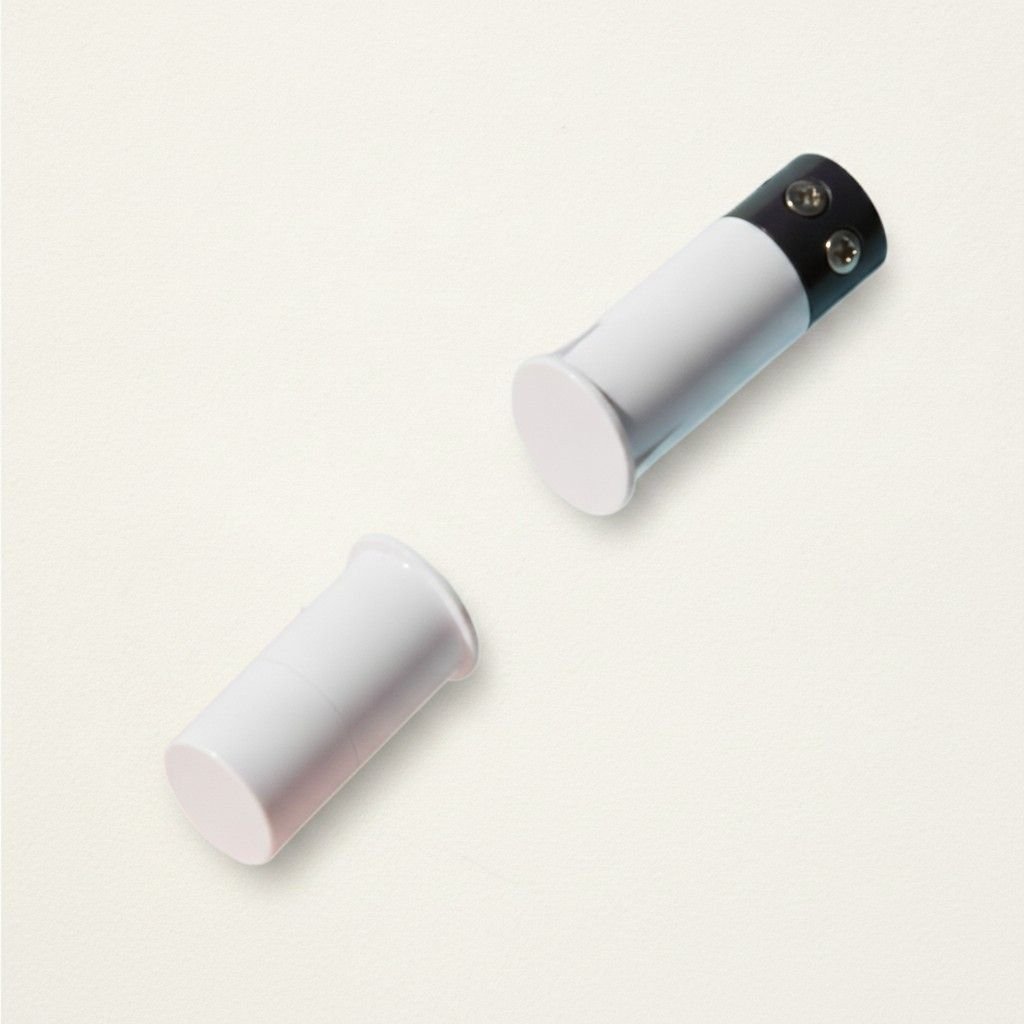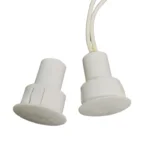
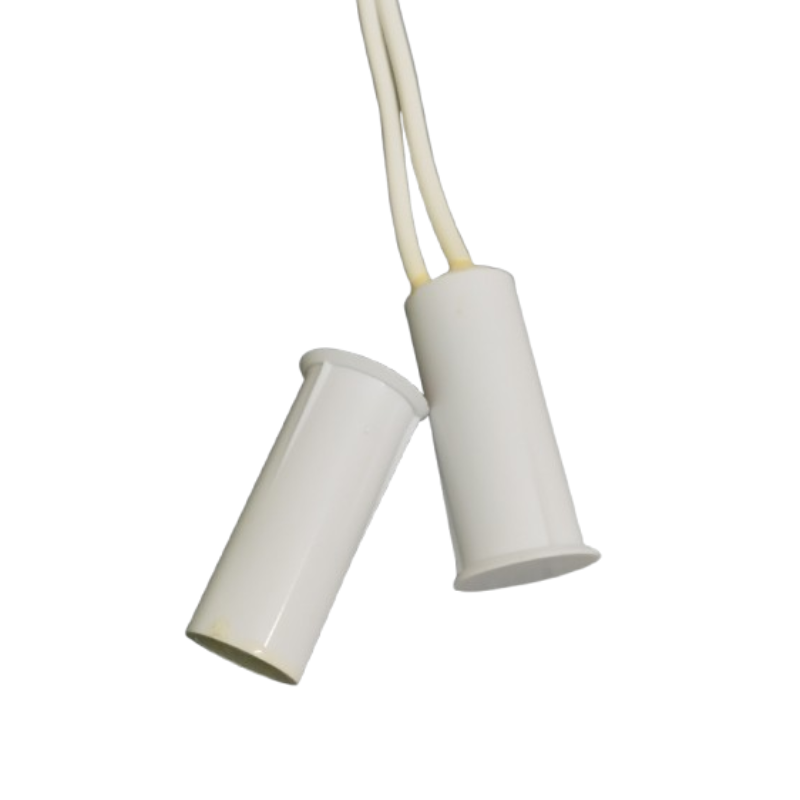
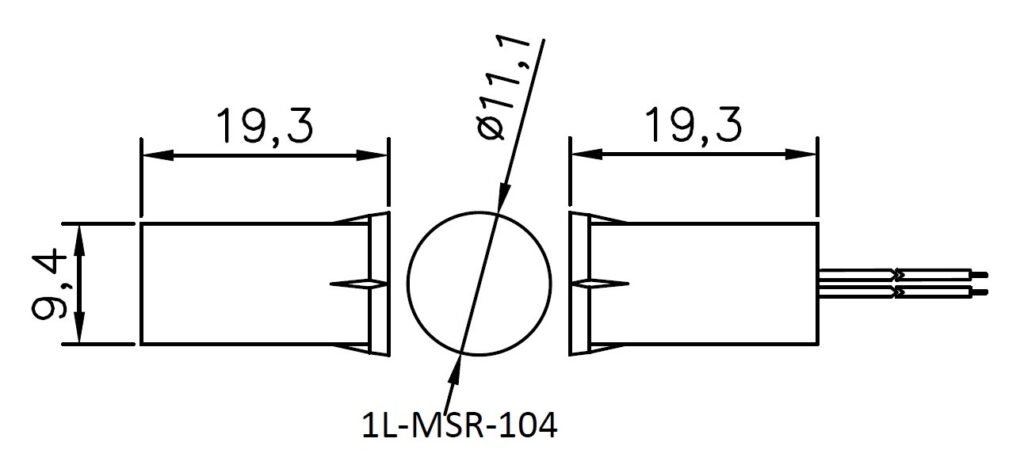
1 LEAP 1L-MSR-104 Reed Switch
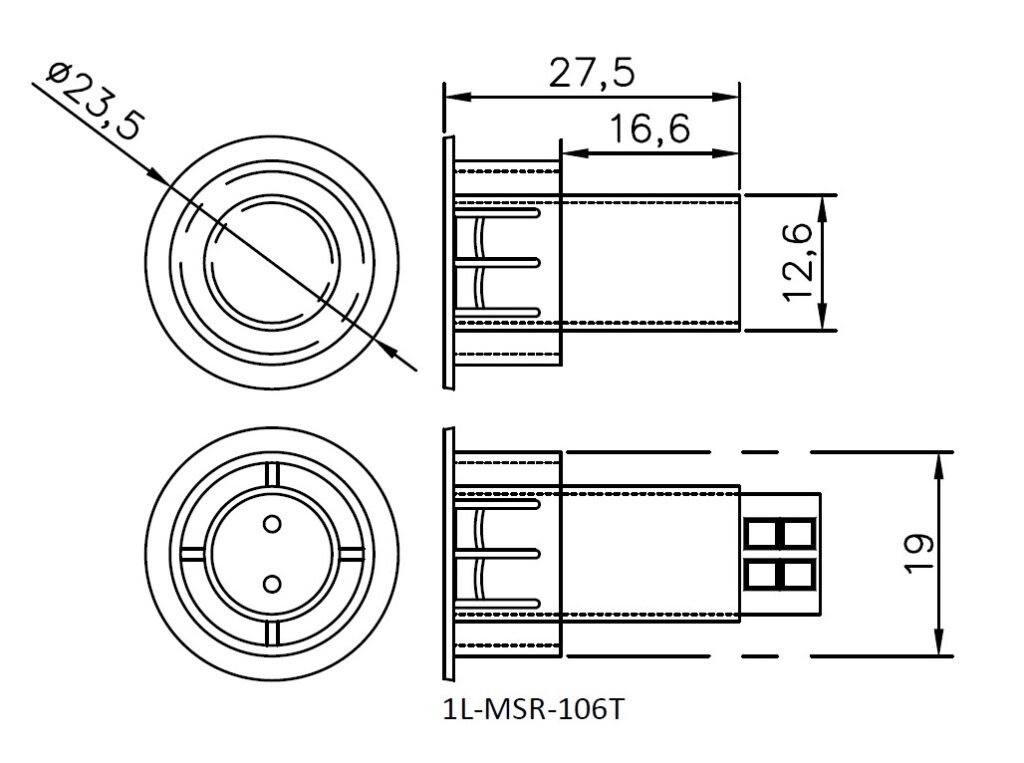
1 LEAP 1L-MSR-106T Reed Switch
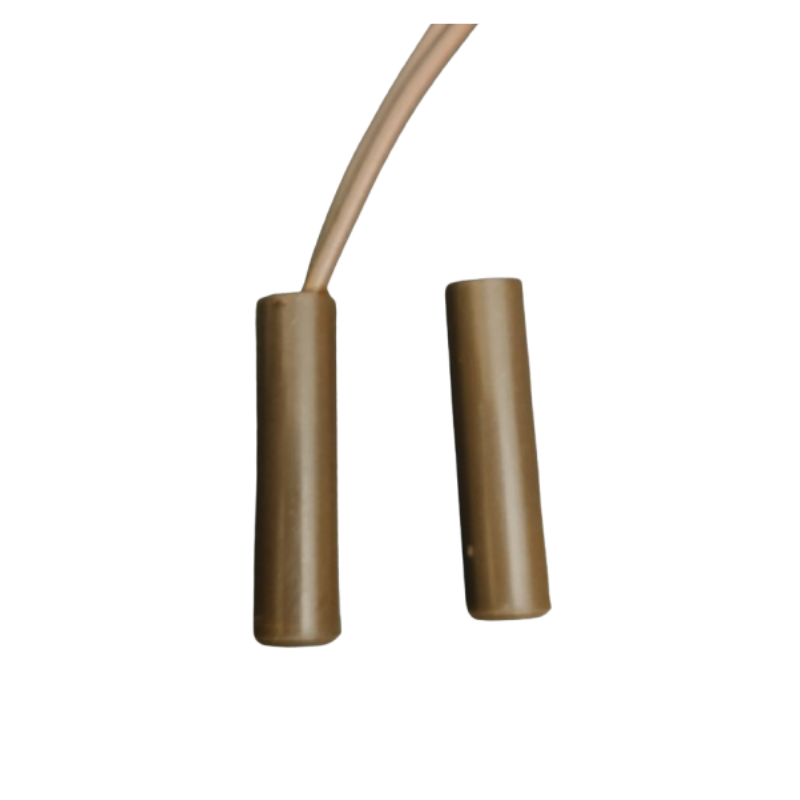
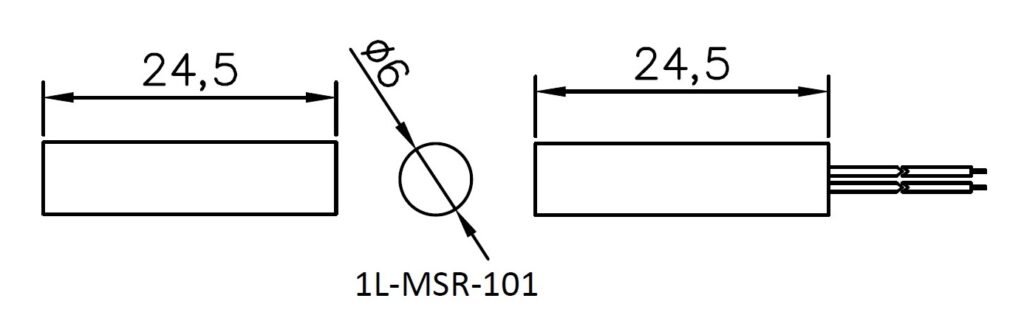
1L-MSR-101 Micro Reed Switch
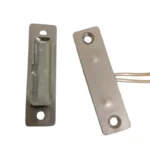
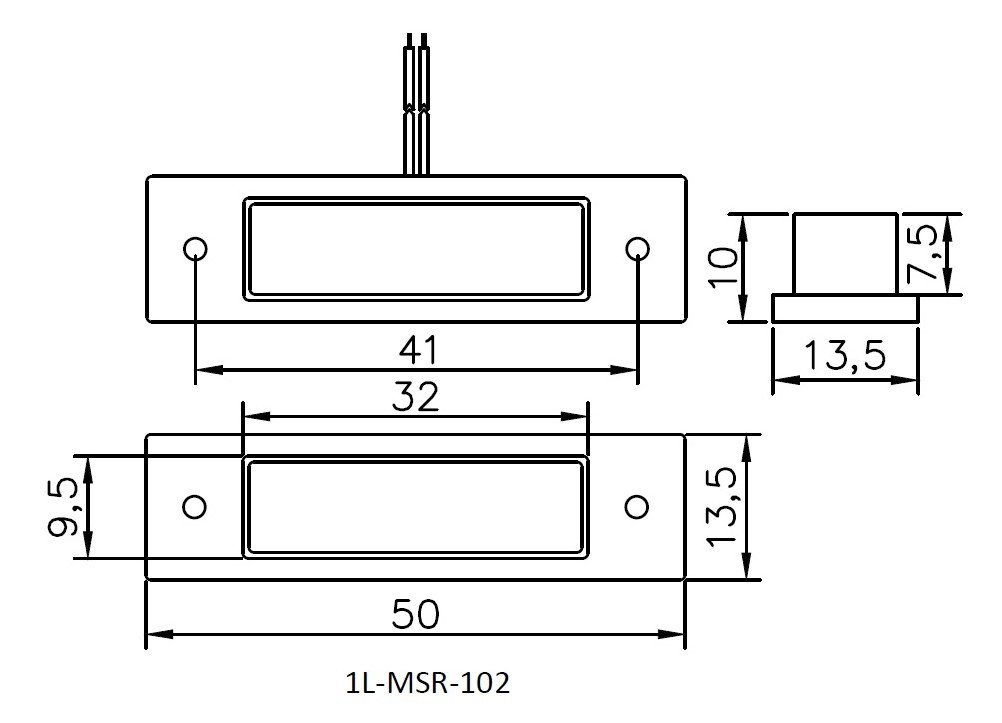
1L-MSR-102 Reed Switch
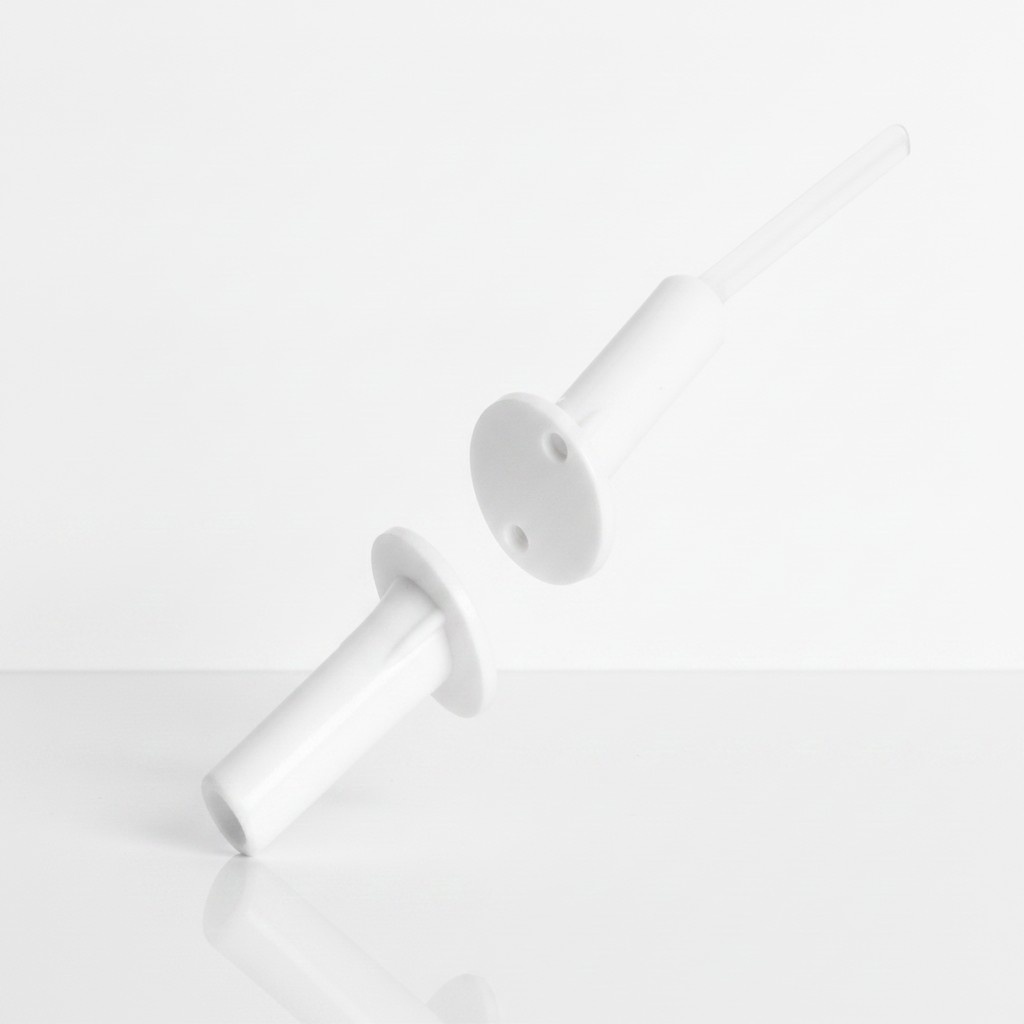
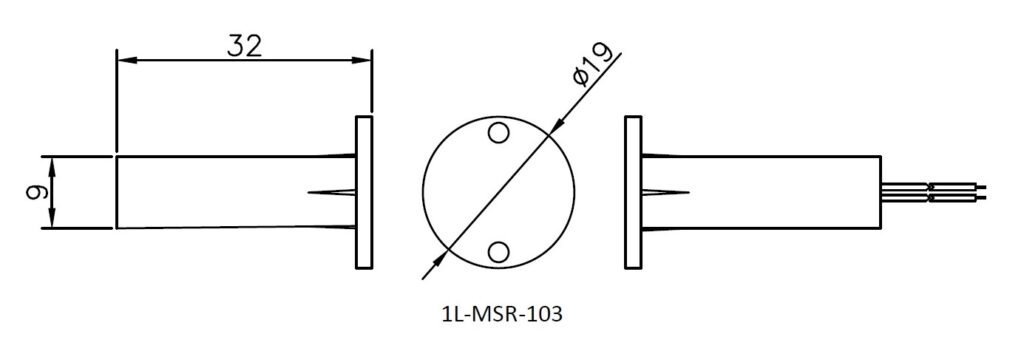
1L-MSR-103 Reed Switch
1L-MSR-104B – Recessed Mount Magnetic Switch
1L-MSR-104H Reed Switch
1L-MSR-104PF Reed Sensor
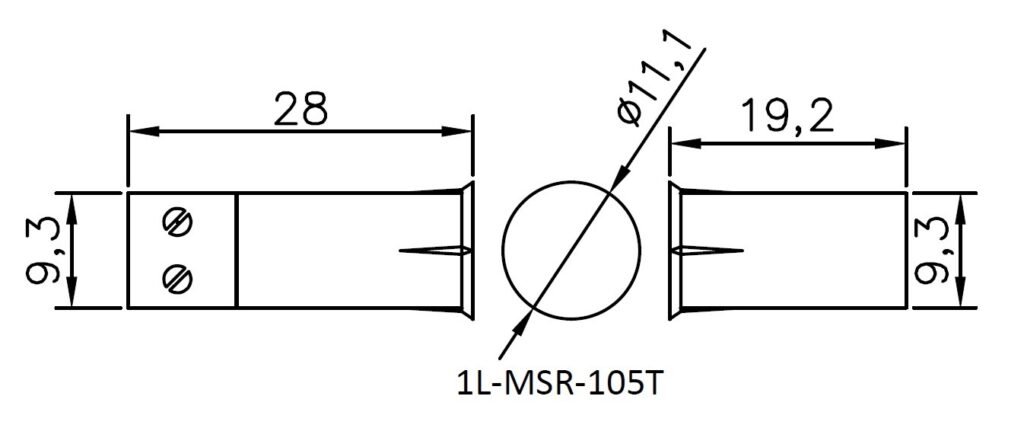
1L-MSR-105T – Recessed Mount Magnetic Switch
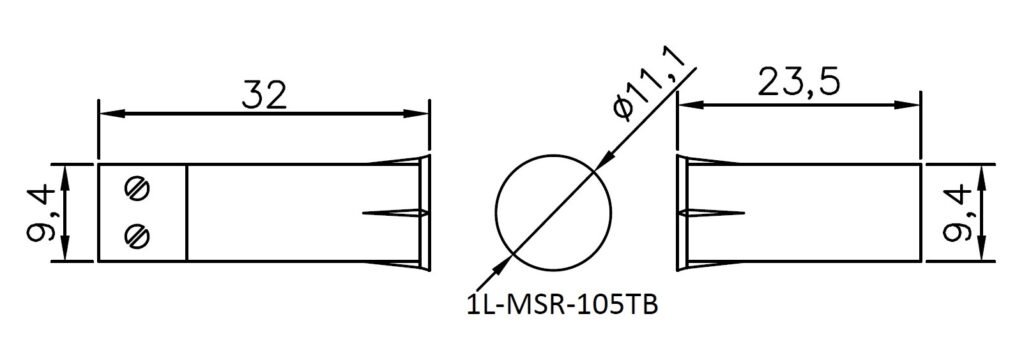
1L-MSR-105TB Reed Switch
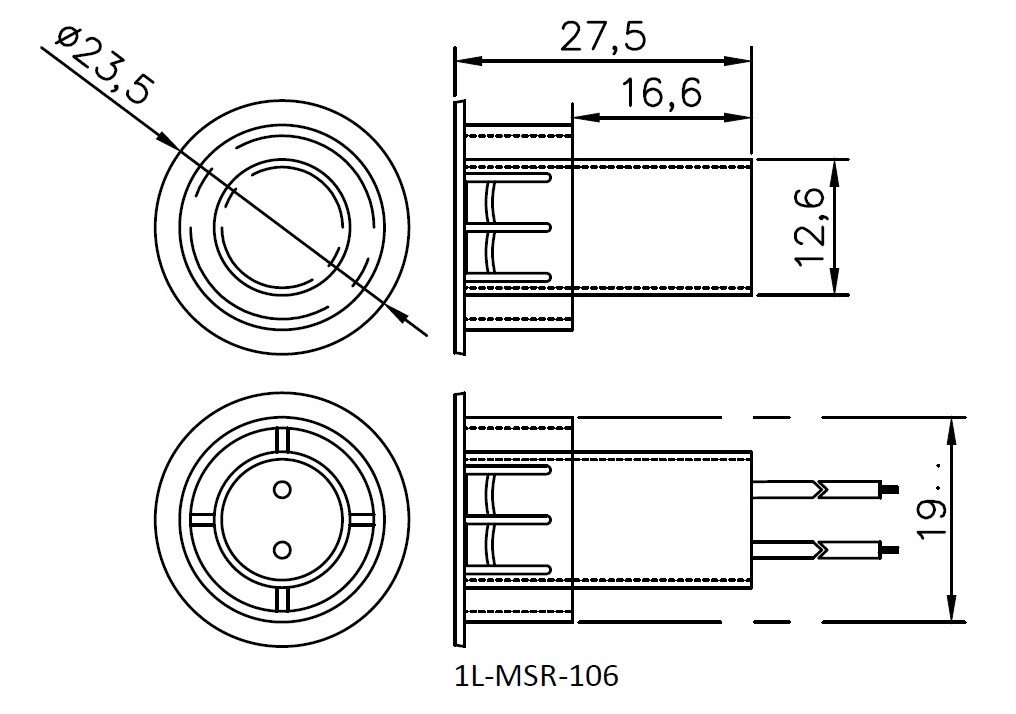
1L-MSR-106 – Recessed Mount Magnetic Switch
Detailed dimensions, gap distance, contact rating, and cable specifications are listed on each product’s individual page.
Buy Recessed Mount Magnetic Reed Switches
1 LEAP Technologies supplies recessed reed switches designed for flush, concealed installation into doors, door frames, panels, and enclosures. Unlike surface-mount or overhead-mount switches, a recessed mount magnetic switch is fitted into a drilled or machined cavity so the switch body sits inside the frame or panel rather than on top of it, with only the switch face visible once installed. This range is available in Normally Open (NO) configuration.
Recessed reed switches are the common choice wherever a lower-profile, less visible, or more tamper-resistant sensor installation is needed — for example, on commercial doors, cabinets, machine access panels, or enclosures where a projecting surface-mount switch would be impractical, exposed to damage, or visually intrusive. Because the switch body is inside the material recessed installation is generally associated with a cleaner finished appearance and reduced exposure to accidental knocks or tampering compared with a surface-mounted unit in the same location.
This page lists the full range of recessed mount magnetic switches supplied by 1 LEAP Technologies, explains how recessed mounting compares with our other mounting options, and provides you a practical guidance for selecting the right model. Detailed specifications for each switch model — including dimensions, cable/lead details, and configuration — are provided on the individual product pages linked below.
What Is a Recessed Mount Magnetic Switch?
A recessed magnetic reed switch made up of a reed switch and a matching magnet, installed as a pair — one part fitted into the door, frame, or panel, and the other into the moving section it monitors (for example, the door leaf). Both parts are set into a drilled or machined cavity so that, once installed, only the front face of each unit is visible, with the switch body itself concealed within the material.
This is different from the other mounting styles in our range:
- Surface Mount — the switch and magnet are fixed directly onto the outer face of the door, frame, or panel using screws or adhesive, rather than being set into a cavity. Surface mounting is generally faster to install because it does not require any drilling a cavity to match the switch body, but the unit remains visible and slightly proud of the surface.
- Overhead Mount — the switch is positioned above a door opening, typically used in applications such as roller shutters, sectional doors, or overhead door systems where a side- or frame-mounted switch is not practical.
- Recessed Mount (this range) — the switch is set into the material itself, giving a flush finish and reducing how exposed the unit is to physical contact, impact, or tampering compared with a surface-mounted alternative in the same location.
The right mounting style depends on the installation surface, the level of concealment required, and practical factors such as whether the frame or panel can be drilled to accept a recessed cavity or not. If you are not sure which mounting style goes perfectly with your installation, see our Surface Mount Magnetic Switches and Overhead Mount Magnetic Switch category pages for our al type of magnetic reed switches, or contact our team for right magnetic switch before ordering.
How a Recessed Reed Switch Works
A recessed reed switch works on the basic principle as any magnetic reed switch: it uses two parts — a reed switch unit containing a pair of ferromagnetic contacts, and a separate magnet unit. The reed switch is fitted into the fixed part of the structure (such as the door frame), and the magnet is fitted into the moving part (such as the door itself), with both set flush into the material using the recessed mounting method.
When the door or panel is closed, the magnet sits close enough to the reed switch for its magnetic field to hold the internal contacts in the switched position — for this NO (Normally Open) range, that means the circuit is closed while the magnet is present. When the door or panel opens and the magnet moves away, the magnetic field in the weakens state, the contacts release, and the circuit opens. This change of state is what gets picked up by the connected control panel, alarm system, PLC, or monitoring equipment.
Because the switch and magnet are recessed into the material rather than sitting on the surface outside, the operating principle stays the same as a surface-mount switch — what changes is the mounting method, not the underlying way the switch detects open/closed status.
Choosing a Recessed Reed Switch From This Range
The recessed switches in this range share the same mounting method (Recessed Mount) and the same configuration (Normally Open), which means the main differences between models only appears in size, housing style, and lead/cable arrangement rather than switching logic. The range includes a base 1L-MSR-101 through 1L-MSR-103 series, a 104 series with different housing variants (104, 104B, 104H, 104PF), and a 105/106 series with additional “T” and “TB” cable or terminal variants. The available models we have in recessed mount magnetic reed switch are:- 1L-MSR-101 , 1L-MSR-102 , 1L-MSR-103 , 1L-MSR-104 , 1L-MSR-104B , 1L-MSR-104H , 1L-MSR-104PF , 1L-MSR-105T , 1L-MSR-105TB , 1L-MSR-106 , 1L-MSR-106T.
Because these model-to-model differences are specific to each SKU rather than a simple, generic pattern, the following approach is recommended when choosing a model:
- Start from the installation, not the model number. Identify the material you are installing into (door, frame, panel, or enclosure), and confirm it can accommodate a drilled or machined recessed cavity of the required depth and diameter for that reed switch.
- Open the specific product page for each model. Each product page lists that model’s dimensions, cable or lead configuration, and other confirmed specifications, so you can check the detailed configurations of each reed switches before ordering.
- Compare housing variants where relevant. If you are considering a 104-series or 105/106-series switch, check the individual product pages for the standard model and its lettered variants (B, H, PF, T, TB) to see which one matches your required lead type, terminal style, or housing shape — these are distinct products with their own listed specifications, not interchangeable labels for the same part.
- Confirm electrical compatibility with your control circuit. All models in this range are Normally Open (NO); if your application requires a Normally Closed (NC) or NO/NC switching arrangement, this range will not be suitable and you should check our other magnetic reed switch categories like surface mount or Overhead Mount. If you get confuse to select which model goes perfectly with your application, then contact our team for the better results.
- Ask before ordering if anything is unclear. If the product pages don’t answer a specific question about a model, or you’re specifying for a larger installation and want to confirm suitability first, our technical team can help you in choosing the right choice — see the enquiry section at the end of this page.
This approach avoids guessing at compatibility from the model name alone and makes sure that the switch you select is confirmed against its actual listed specifications.
Applications
Recessed mount magnetic switches from this range are used over a number of industrial and commercial settings, including:
- Automation and manufacturing lines — monitoring the position of guards, access panels, or moving sections as part of a production line’s control or safety circuit.
- Industrial machinery and robotics — confirming that covers, panels, or access points on machinery and robotic equipment are closed before or during an operation.
- Commercial security and building management — detecting door or panel status as part of a building’s access control or security monitoring system.
- Electrical enclosure monitoring — signaling when an electrical panel, cabinet, or enclosure door has been opened, closed, or left ajar.
- HVAC and energy management — monitoring access panels or service doors on HVAC equipment and energy management systems.
- Retail theft prevention and store monitoring — used within retail security systems to monitor cabinet, cage, or fixture doors.
The recessed mounting style is a practical fit for these applications where a flush, concealed sensor is preferred over a surface-mounted unit — for example, where the switch needs to be less visible, less exposed to accidental contact, or integrated into a finished panel or door without a projecting housing. Specific suitability for a given environment should always be confirmed against the listed specifications for the chosen model, or by contacting our technical team.
Installation Overview
Recessed mount magnetic switches are generally installed as a matched pair: the switch unit is set into a assigned fixed part of the structure (such as a door frame), and the magnet unit is set into a corresponding cavity in the moving part (such as the door leaf), positioned so the two align when the door or panel is closed. Because both parts sit inside drilled assigned space, the exact cavity dimensions, alignment tolerance, and mounting depth goes differ by model and should always be confirmed against the specific product page before drilling or machining any surface. This general overview does not replace the installation details provided with each individual product.
Technical Considerations Before Ordering
Before selecting and ordering a recessed reed switch from this range, it is worth confirming the following:
- Configuration: All switches in this range are Normally Open (NO). If your control or safety circuit requires Normally Closed (NC) or a combined NO/NC output, this range will not meet that requirement — check our other magnetic reed switch categories instead.
- Cavity size and installation depth: Recessed installation requires a drilled or machined assigned space in both of the fixed and moving parts of the structure. Confirm the required cavity depth and diameter against the specific model’s dimensions on its product page before drilling.
- Electrical and environmental specifications: For voltage, current, contact rating, sensing/operating gap distance, and environmental (IP) rating, refer to the individual product page for the model you are considering, or contact our team for the latest datasheet, since these differs vary by model and are not repeated generically here.
- Cable and connection type: Lead length, cable type, and termination method differ between models (including the “T” and “TB” variants), so confirm this matches your wiring setup before ordering.
- Quantity and lead time for bulk or OEM orders: If you are specifying this switch for a larger installation, a production line, or an OEM build, contact our team directly so availability and any bulk-order requirements can be confirmed ahead of time.
Frequently Asked Questions
What is the difference between a recessed mount and a surface mount magnetic switch?
A recessed switch is installed inside a drilled cavity so it sits with the door, frame, or panel surface. A surface-mount switch is fixed on top of the surface instead. See our Surface Mount Magnetic Switches page for that range.
Are all recessed mount switches in this range Normally Open (NO)?
Yes. All Recessed Mount configurations currently listed in this range are supplied in Normally Open (NO) configuration.
What is the difference between the 1L-MSR-104 variants (104, 104B, 104H, 104PF)?
These are distinct models within the 104 series with their own specifications, listed individually on each product page. Please check the specific product page or contact our team to confirm which variant matches your installation.
Can I get technical specifications such as voltage, current, or gap distance before ordering?
Yes — full specifications for each model are available on its individual product page, or you can contact our team directly for a datasheet or bulk-order enquiry.
Do you supply recessed reed switches for OEM or bulk industrial orders?
Yes. Contact our team with your application details and required quantities for OEM or bulk-order support.
Need Help Choosing or Ordering?
Our team can help you confirm the right recessed reed switch model for your installation, share technical datasheets for individual models, and support OEM or bulk-order requirements.
Contact 1 LEAP Technologies for technical assistance or a bulk/OEM enquiry.
ISO 9001:2015 Certified Company — Certificate No. E20250728321